
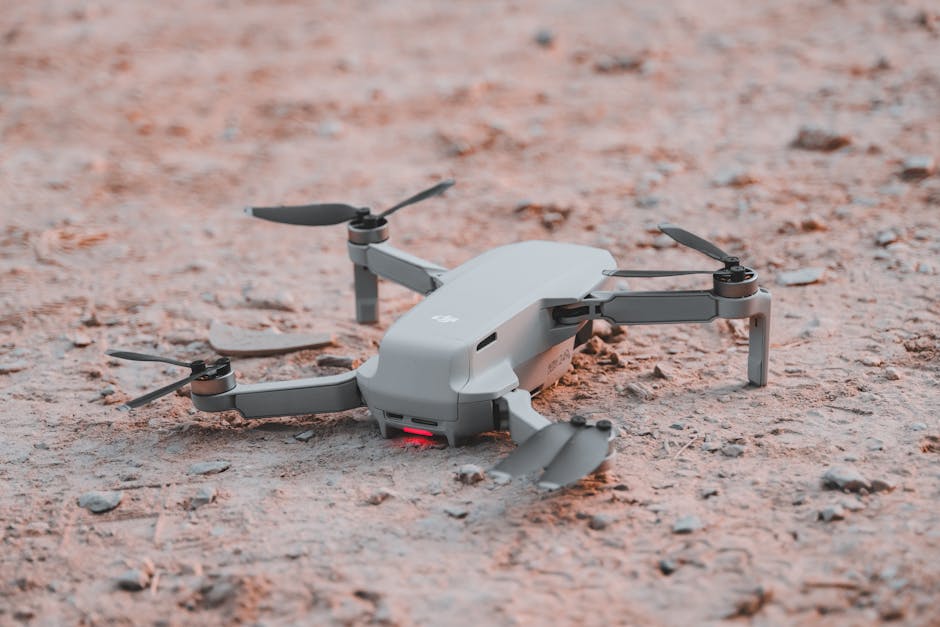
Understanding the Carrying Capacity of a Drone
The carrying capacity of a drone is a critical factor influencing its suitability for various applications. This metric defines the maximum payload a drone can safely transport without compromising its flight performance, stability, or battery life. Different tasks demand different payload capabilities, ranging from lightweight sensors in surveillance drone operations to heavier equipment needed for commercial drones engaged in delivery or inspection roles. Understanding these limitations is essential for optimizing drone selection and deployment across industries.
Factors Influencing Drone Carrying Capacity
Several technical and environmental factors determine how much weight a drone can carry effectively:
- Motor Power and Propeller Size: Stronger motors and larger propellers can generate greater lift, enabling the drone to carry heavier payloads.
- Battery Capacity: Higher payloads demand more energy, reducing flight time as the drone expends additional power to maintain altitude and maneuver.
- Frame Design and Materials: Lightweight yet durable materials such as carbon fiber can help maximize payload without adding unnecessary weight.
- Altitude and Weather Conditions: Flying at higher altitudes or in adverse weather affects air density and drone stability, impacting carrying capacity.
Carrying Capacity Requirements for Different Drone Tasks
Different operational roles impose unique payload requirements, which influence the choice of drone and its configuration:
- Surveillance Drone: Typically equipped with cameras and sensors, surveillance drones require modest carrying capacity, often between 0.5 to 2 kilograms, to support high-resolution imaging equipment without sacrificing flight time and maneuverability.
- Drone Inspection and Utility Inspection: These tasks involve carrying specialized instruments such as thermal cameras, LIDAR sensors, or ultrasonic devices. Payloads generally range from 2 to 5 kilograms, necessitating drones with enhanced lifting abilities and stable flight characteristics to collect accurate data.
- Drone Security: Security drones may carry a variety of payloads, including cameras, communication relays, or even deterrence devices. Their carrying capacity needs to balance between equipment weight and endurance to maintain prolonged surveillance activities efficiently.
- Commercial Drones: This category includes delivery drones and other utility models designed to transport goods. These drones often require the highest carrying capacity, with some models capable of lifting payloads exceeding 10 kilograms, depending on the nature of the commercial application.
Comparing UAV vs Drone Carrying Capacity
While the terms UAV (Unmanned Aerial Vehicle) and drone are often used interchangeably, subtle differences exist regarding their typical carrying capacities and applications. UAVs are frequently larger, more complex systems designed for military or industrial use, often capable of carrying substantial payloads well beyond consumer-grade drones. In contrast, commercial drones are generally smaller, with limited carrying capacity optimized for specific tasks such as inspection or light delivery. Understanding these distinctions helps in selecting the appropriate platform based on payload requirements and mission objectives.
Optimizing Drone Performance Relative to Payload
To maximize operational efficiency, it is crucial to align the drone’s carrying capacity with its intended task:
- Minimizing unnecessary weight by using compact and lightweight sensors can extend flight duration.
- Regular maintenance ensures motors and batteries operate at peak performance, supporting maximum payload capacity.
- Utilizing software for precise flight path planning reduces energy consumption, especially when carrying heavier loads.
- Employing modular payload systems allows quick swapping of equipment tailored to specific missions, optimizing carrying capacity usage.
Innovations Shaping Future Carrying Capacities
Emerging technologies are continuously redefining what drones can carry. Advances in battery density, lightweight composite materials, and propulsion systems are expanding payload capabilities without compromising flight time. Additionally, integration of artificial intelligence enables smarter weight distribution and adaptive flight control, further enhancing carrying capacity efficiency. These innovations will broaden the scope of drone applications in sectors such as infrastructure inspection, security, and logistics.
Final Thoughts on Drone Payload Versatility
Assessing the carrying capacity of a drone in relation to its intended task is fundamental for maximizing value and performance. Whether for surveillance drone operations, drone security, or commercial applications, understanding the payload requirements and constraints ensures effective deployment. As technology progresses, the gap between UAVs and smaller drones narrows, offering greater flexibility and capability to meet diverse operational demands.